
RiConnect Digital Product Passport-Ready Pack Drives Transition
RiConnect Inc.’s Digital Product Passport (DPP)-Ready Pack is driving uptake of DPPs ahead of the European Union (EU) Battery Regulation making securely recorded information across a product’s lifecycle mandatory from February next year. It is the latest regulatory framework to accelerate change.
The central benefit of a tool being equipped with a DPP is that it means product information, inspection reports, and usage history can be tracked, making maintenance and examination easier. The Battery Regulation (effective 18 February 2027) will reshape how batteries are designed, manufactured, used, and recycled across Europe, and the Battery Passport is a key feature.
Digital chips and identification technologies are central to RiConnect’s cloud-based Software as a Service (SaaS) offering. The company is dedicated to simplifying and digitalising the processes around compliance and traceability, as regulatory frameworks, such as the EU Ecodesign for Sustainable Products Regulation (ESPR) and Battery Regulation (2023/1542), transform equipment ownership and use. More broadly, new regulatory frameworks are enforcing greater conformity across diverse sectors, including textiles, chemicals, steel, aluminium, tyres and furniture.
Steven Hong, president at RiConnect, said: “For critical asset industries, DPPs serve as a platform for providing key information, including inspection reports and usage history. However, beyond the regulatory frameworks, the RiConnect DPP and associated module can help industry provide important digital documentation and equipment identification to supply chains. RiConnect is redefining what compliance means, from a regulatory requirement to a source of long-term advantage for industries that cannot afford to fail.”
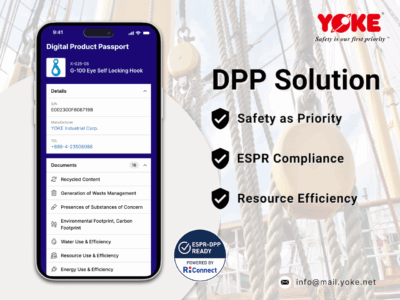
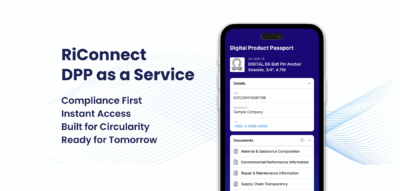
RiConnect Inc.’s Digital Product Passport (DPP)-Ready Pack makes transition to DPPs easier than ever before, as a new regulatory framework surrounding batteries becomes effective.
The DPP-Ready Pack makes transition to digital passports easier than ever before, and centres on breaking down three common barriers to entry in that it requires no IT involvement; no system migration; and no training to use. In other words, adopting DPPs is simple and accessible, eliminating concerns about digital transformation and encouraging industry away from a wait-and-see approach before regulations become mandatory.
Digital chips and identification technologies within the RiConnect ecosystem support multiple identification methods, including radio frequency identification (RFID), QR codes, and barcodes. These technologies enable physical assets to be uniquely identified and connected to digital records managed through the RiConnect DPP platform, ensuring traceability, compliance visibility, and lifecycle documentation. Having pioneered the utilisation of RFID chips, RiConnect enables end users of battery, lifting and other equipment to maintain pre-use checks and unique equipment identification.
Hong added: “It’s somewhat inaccurate to say that organisations are underprepared for the Battery Regulation because they’re ignoring it as, much like the ESPR, they’re not fully equipped because these frameworks expose shortcomings in digital recorded keeping, requiring systems and lifecycle documentation that they’ve never had to build before. Now is the time to alleviate regulatory pressures, and make audit challenges, poor traceability, and scattered documents problems of the past.”
With the EU Battery Regulation (2023/1542) looming large, the real challenge is no longer awareness but action, separating those who can translate complexity into capability from those who risk being left behind.