Atlas Names Temple CRO
Atlas Robotics, a developer of Physical AI for warehouse automation, named Nic Temple as Chief Revenue Officer. The appointment comes as Atlas scales commercial operations behind a platform that, unlike the demonstrations that dominate the field, already runs in daily Fortune 500 production.
Material handling is a $100bn+ annual labor market in the United States alone, still run almost entirely by people on manual forklifts and pallet jacks.
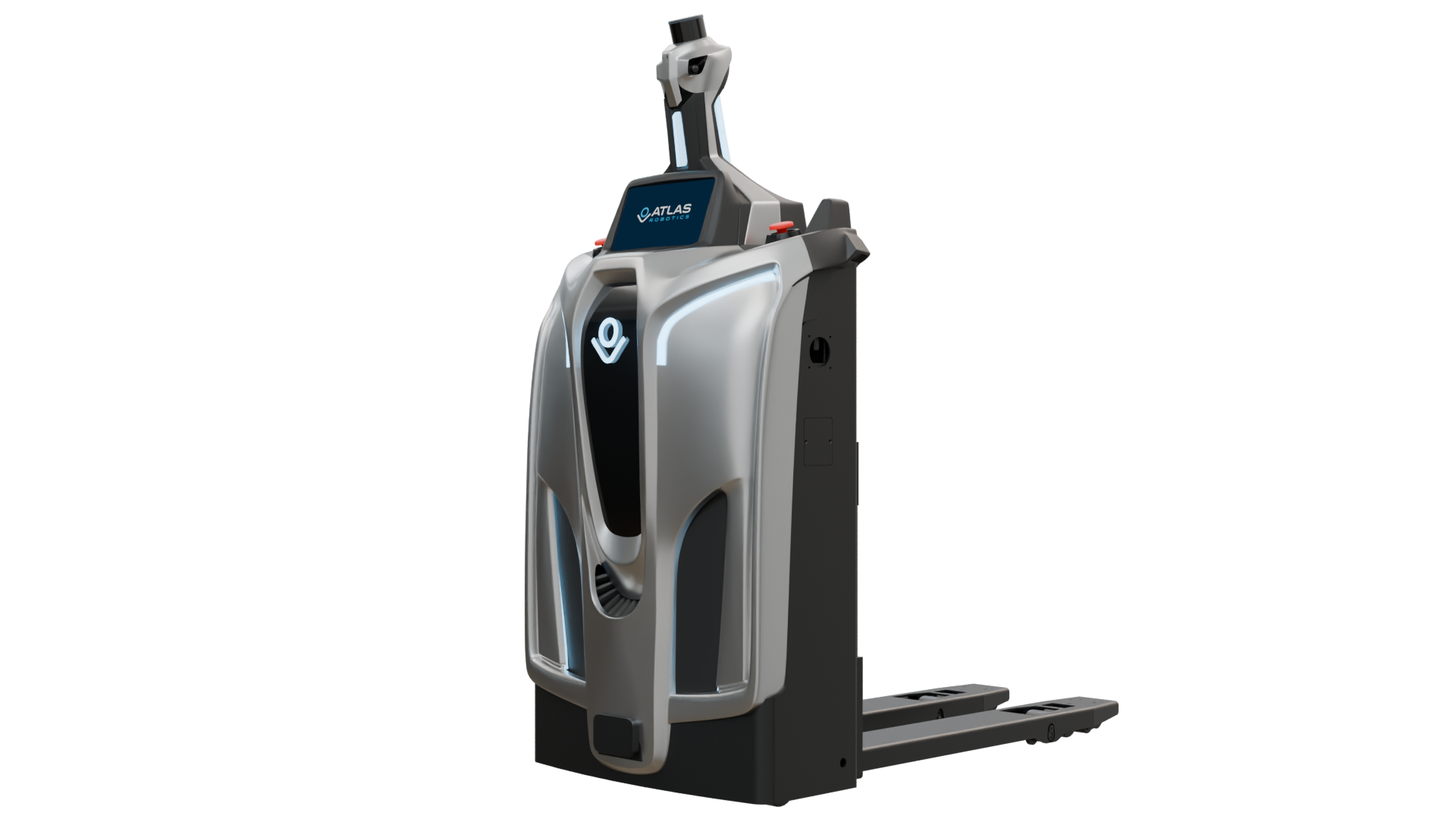
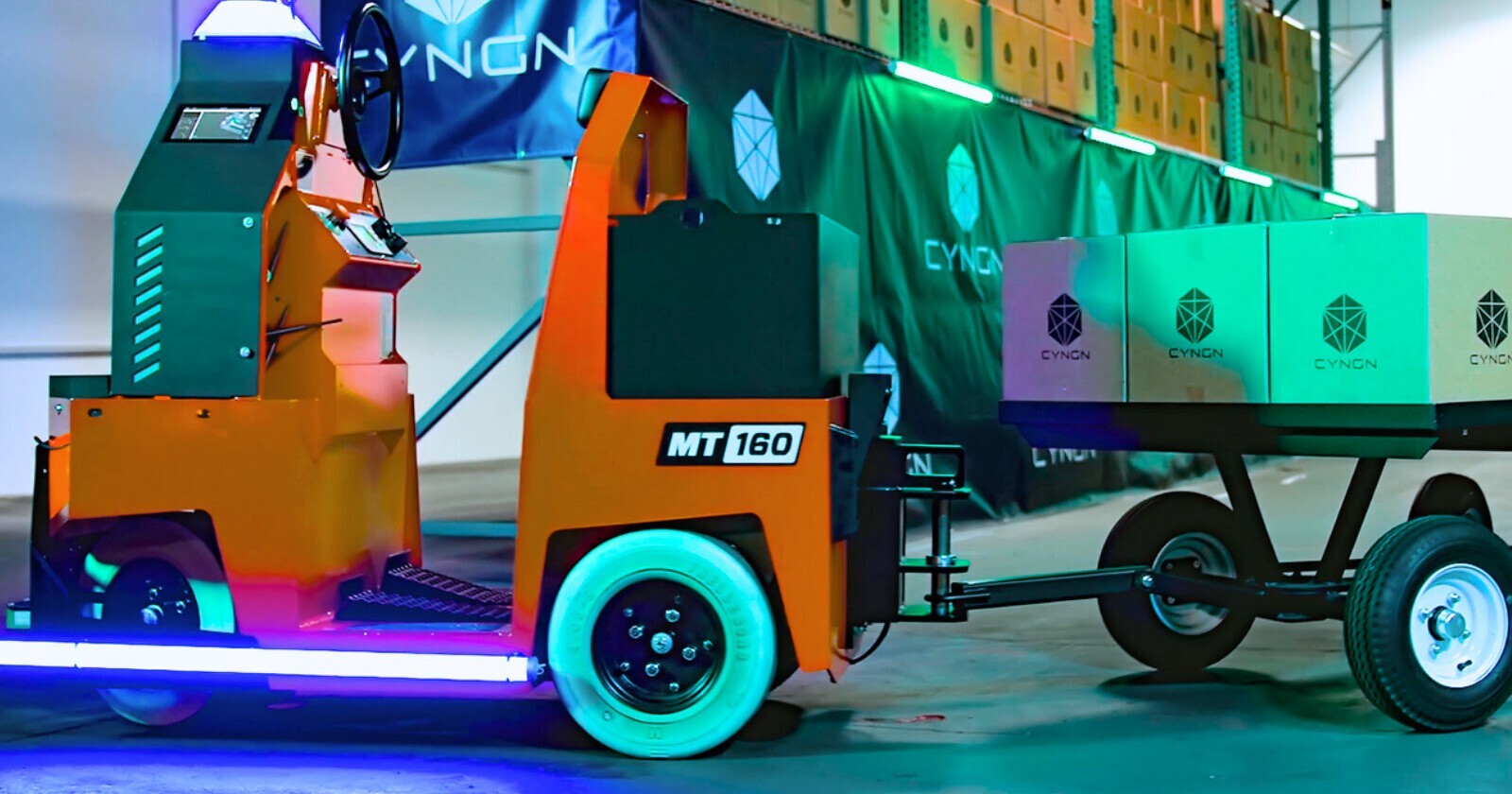
LeVO handles horizontal pallet movement for inbound, outbound, and cross-docking.
For more than a decade, mobile robots chipped away at the edges, yet Autonomous Mobile Robots (AMRs) and Automated Guided Vehicles (AGVs) still move only a sliver of goods. Atlas Robotics built Physical AI to take the core of the work and proved it on live floors. Since August 2024, an Atlas Robotics fleet has run inside a Fortune 500 warehouse operation running 2 shifts per day at 99%+ uptime and less than 1% physical intervention rate. Over that time the fleet improved its own cycle time by more than 20% through Atlas Robotics’ fleet-wide learning loop, getting measurably faster the longer it ran.
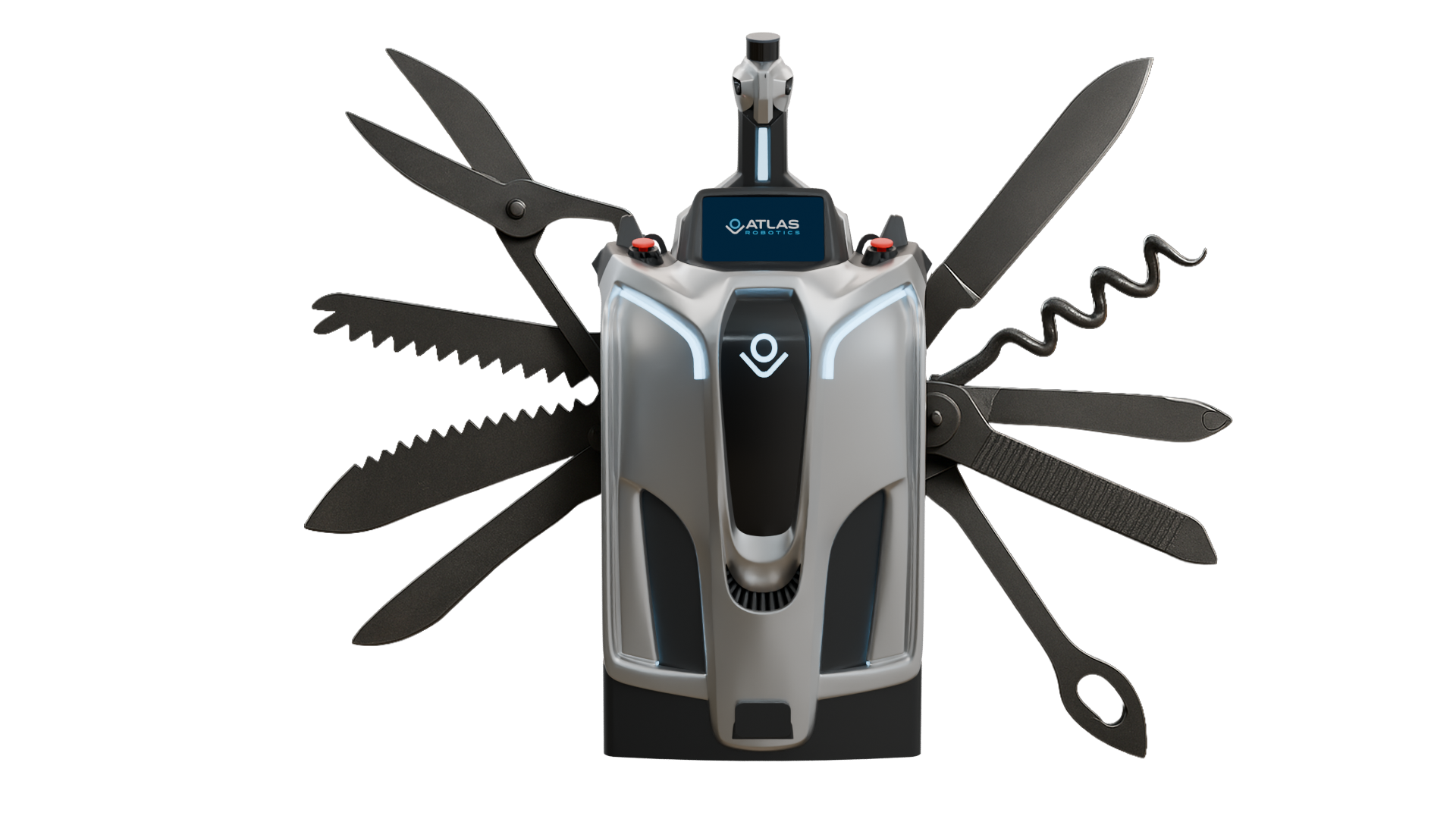
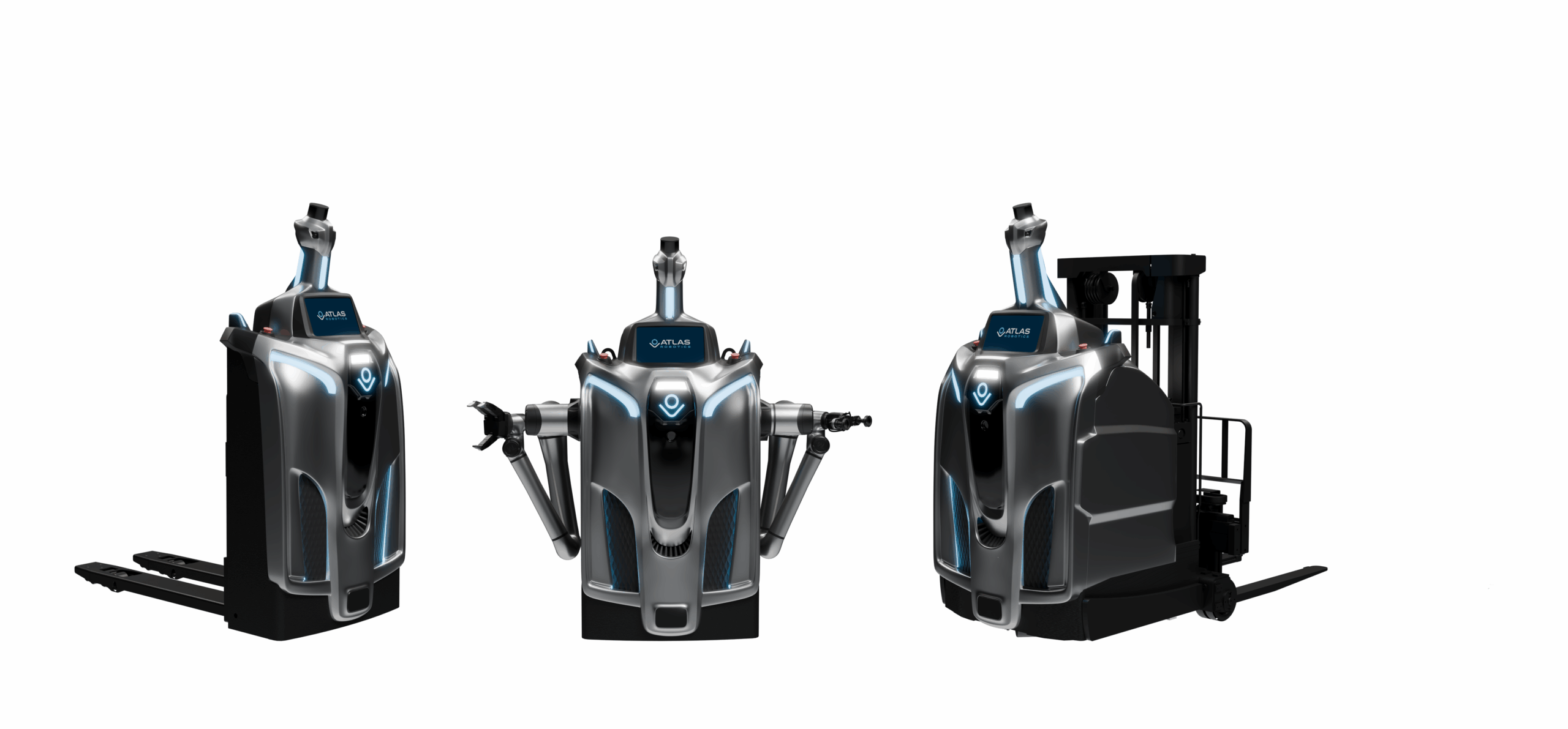
Atlas Robotics LeVO is the ‘Swiss-Army knife’ of the warehouse.
Temple’s appointment marks Atlas Robotics’ shift from proving the technology to scaling it. He spent two decades in material handling, across both forklift automation and the traditional forklift business it aims to replace. That two-sided vantage point left him convinced the warehouse was ready for robotics and frustrated that no one had delivered. He watched capable, well-funded companies fall short on the same three questions:
- Could a company define the problem as a singularity challenge building robots that meet or exceed human productivity rather than adding more vehicles to cover for slower ones?
- Could the return on investment hold on labor savings alone, despite the cost of onboard compute, sensing and forklift hardware, and US-based assembly?
- And what if the autonomous forklift is only the start, a foundation for the sensing, manipulation, simulation, learning, and decision making that Physical AI must master to work alongside everything else in the real world?
Temple found the answers at Atlas Robotics, founded by Çetin Meriçli, Ph.D. and Tekin Meriçli, Ph.D. The vertically integrated platform pairs autonomous robots with fleet software and a fleet-wide learning loop, built on one principle: one brain, many bodies. A single core AI extends across a growing family of machines. The flagship, LeVO, is an AI-operated pallet jack that handles horizontal pallet movement for inbound, outbound, and cross-docking, reads barcodes in any position including double-stacked pallets, and works tight aisles and high-traffic floors around the clock. The same core AI runs Mantis, a patent-pending pallet jack with two dexterous arms built for case-pick, and LeVO 3D, which adds vertical reach for racking and conveyors. Vertical integration and a growing patent portfolio widen the moat as the platform expands from horizontal movement into case-pick and vertical handling.

Nic Temple
“We started Atlas Robotics because the industry kept settling, building machines that needed the world to bend around them instead of robots that handle the world as it is,” said Çetin Meriçli, Co-Founder and CEO of Atlas Robotics.
“The market for human material handling is enormous and almost entirely unautomated. Nic spent his career on the front lines of it and asked the same hard questions we did. Bringing him on accelerates everything we are building toward: Physical AI that meets and exceeds human productivity, at scale, in the real world.”
Atlas Robotics is a developer of Physical AI for warehouse automation.
“I spent twenty years in this industry, on both the automation side and the traditional forklift side, and I watched smart, well-funded companies fall short of the one thing that matters, robots that can actually outwork a human on a warehouse floor,” said Temple.
“Atlas Robotics is the first team I have seen to define the problem honestly and prove it in daily production. The opportunity ahead is a blue ocean, and I joined to help Atlas Robotics go take it.”


About Post Author