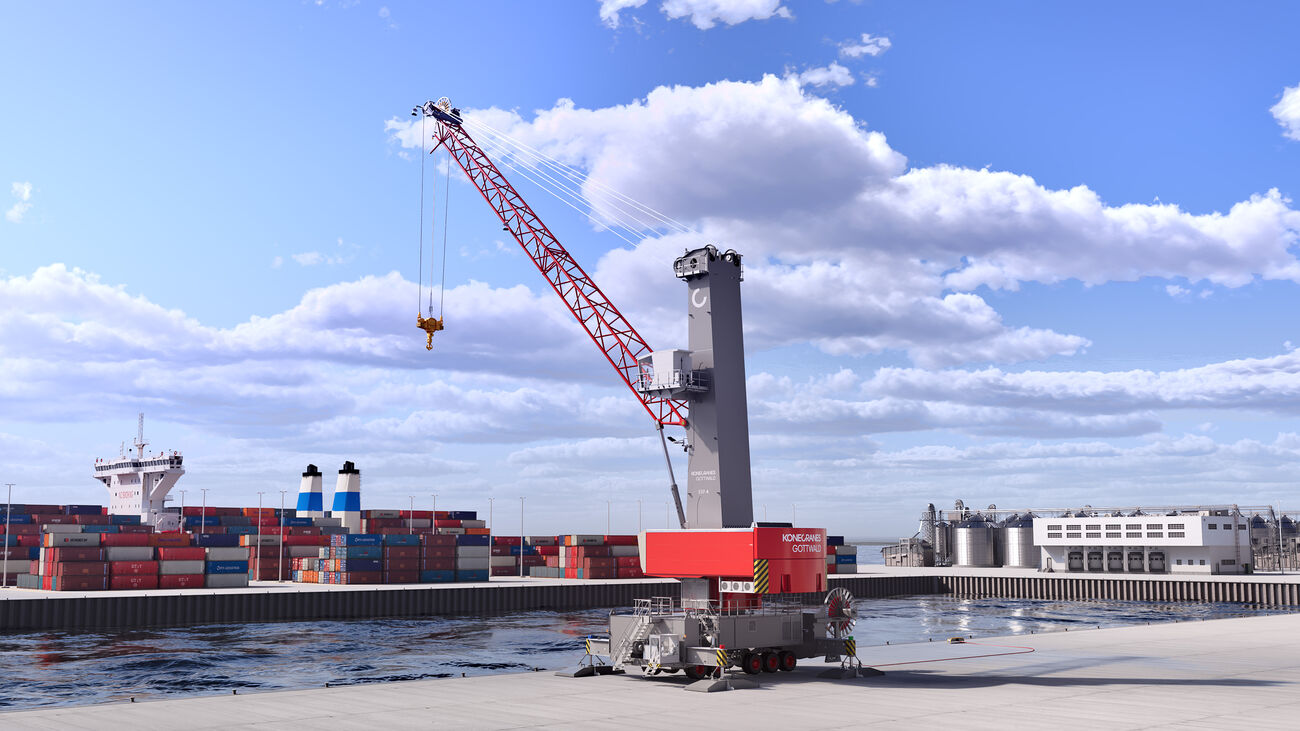
Prince Rupert Port Reduces Emissions
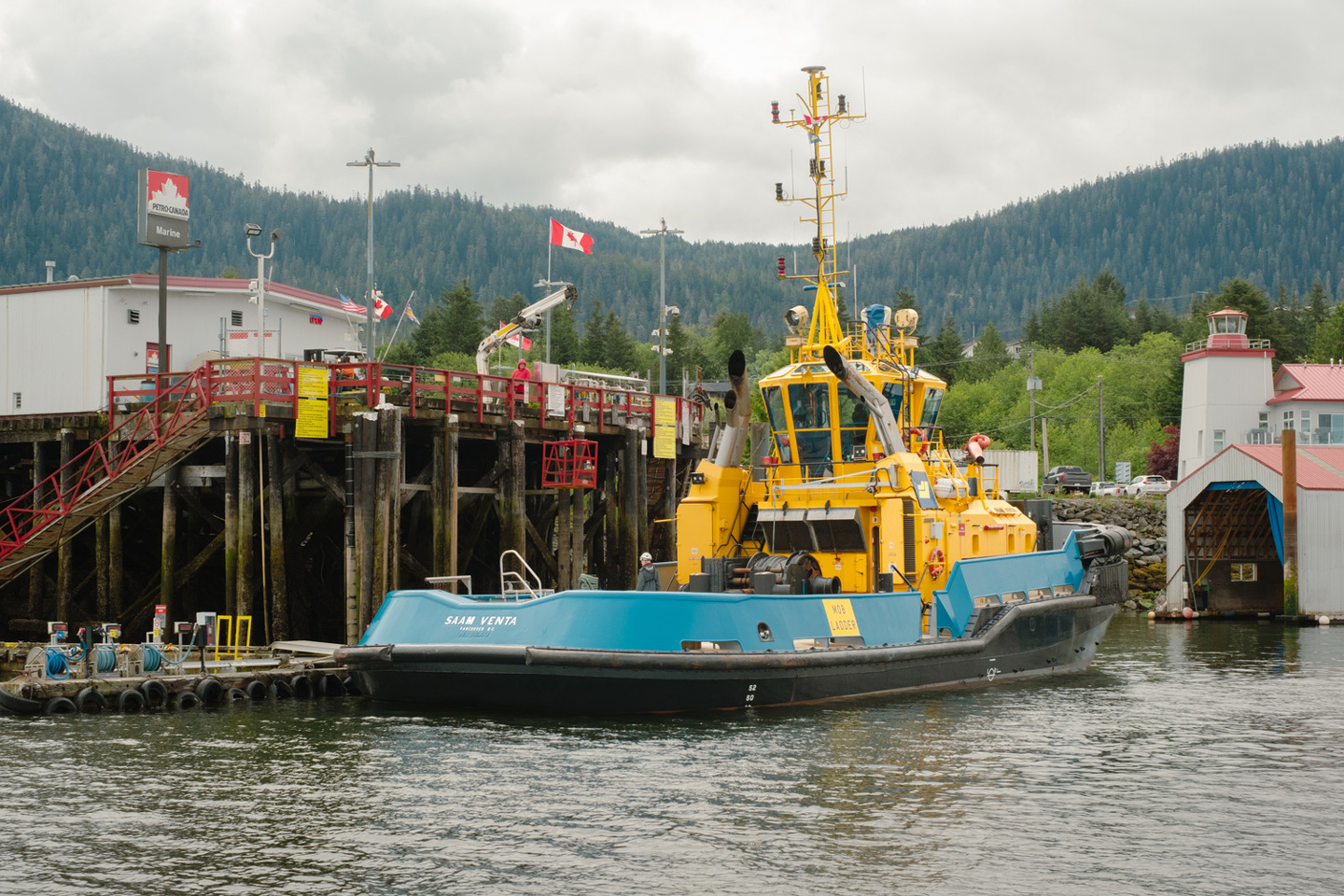
The Prince Rupert Port Authority (PRPA) and 13 Prince Rupert Gateway partners teamed up in 2025 to reduce greenhouse gas (GHG) emissions from port operations by replacing more than two million litres of conventional diesel with Petro-Canada EcoDiesel™.
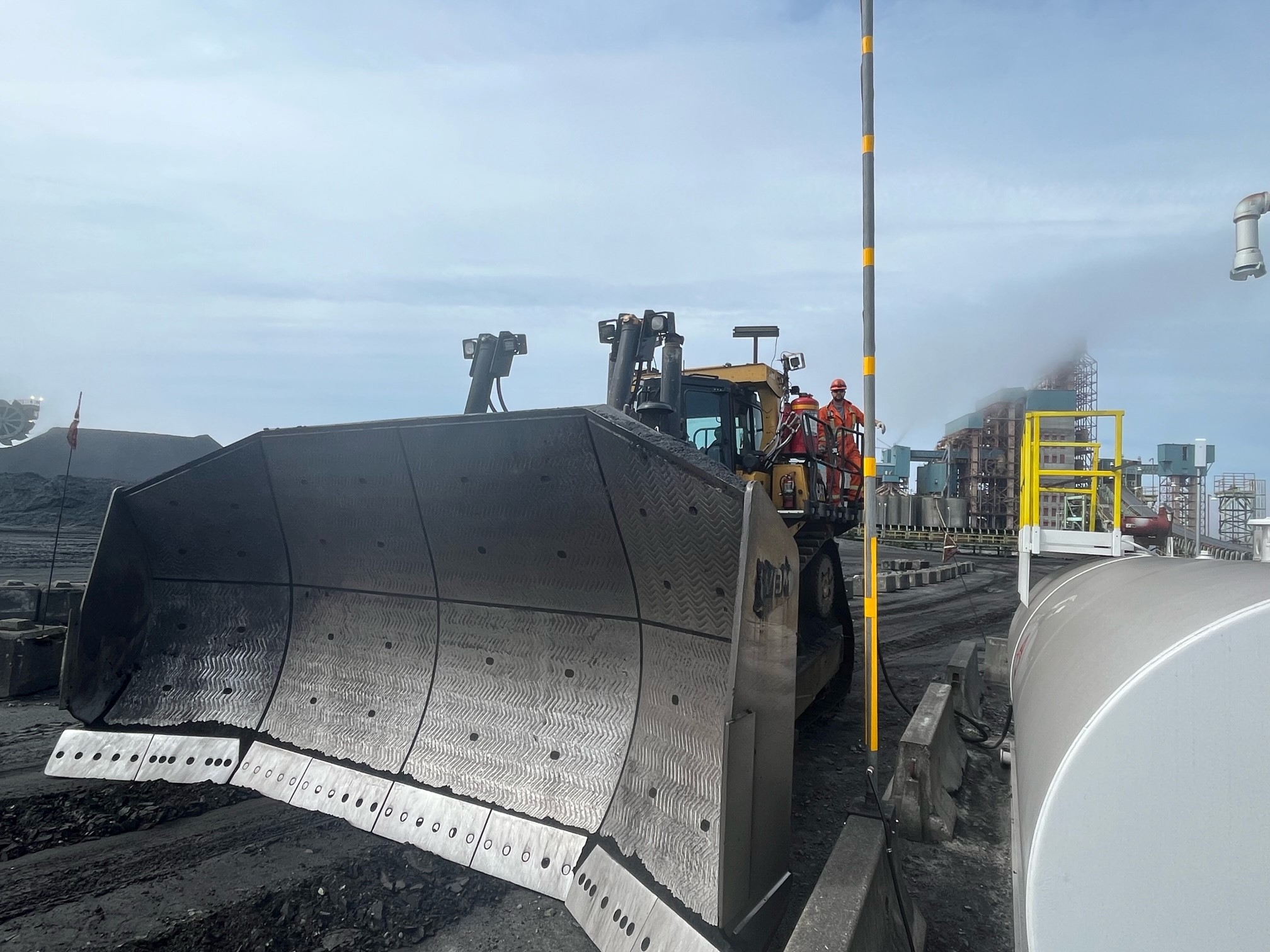
New fuel was used for on-dock cargo handling equipment, drayage trucks, locomotives, tugs, and pilot and patrol vessels.
Petro-Canada EcoDiesel produces roughly 67 percent less greenhouse gas over its lifecycle than conventional diesel, based on B.C.’s Low Carbon Fuel Standard, supporting the PRPA’s Renewable Diesel Initiative. Participating Gateway partners opted to use the drop-in fuel made from renewable feedstocks for a wide variety of purposes, including on-dock cargo handling equipment, drayage trucks, locomotives, tugs, and pilot and patrol vessels.
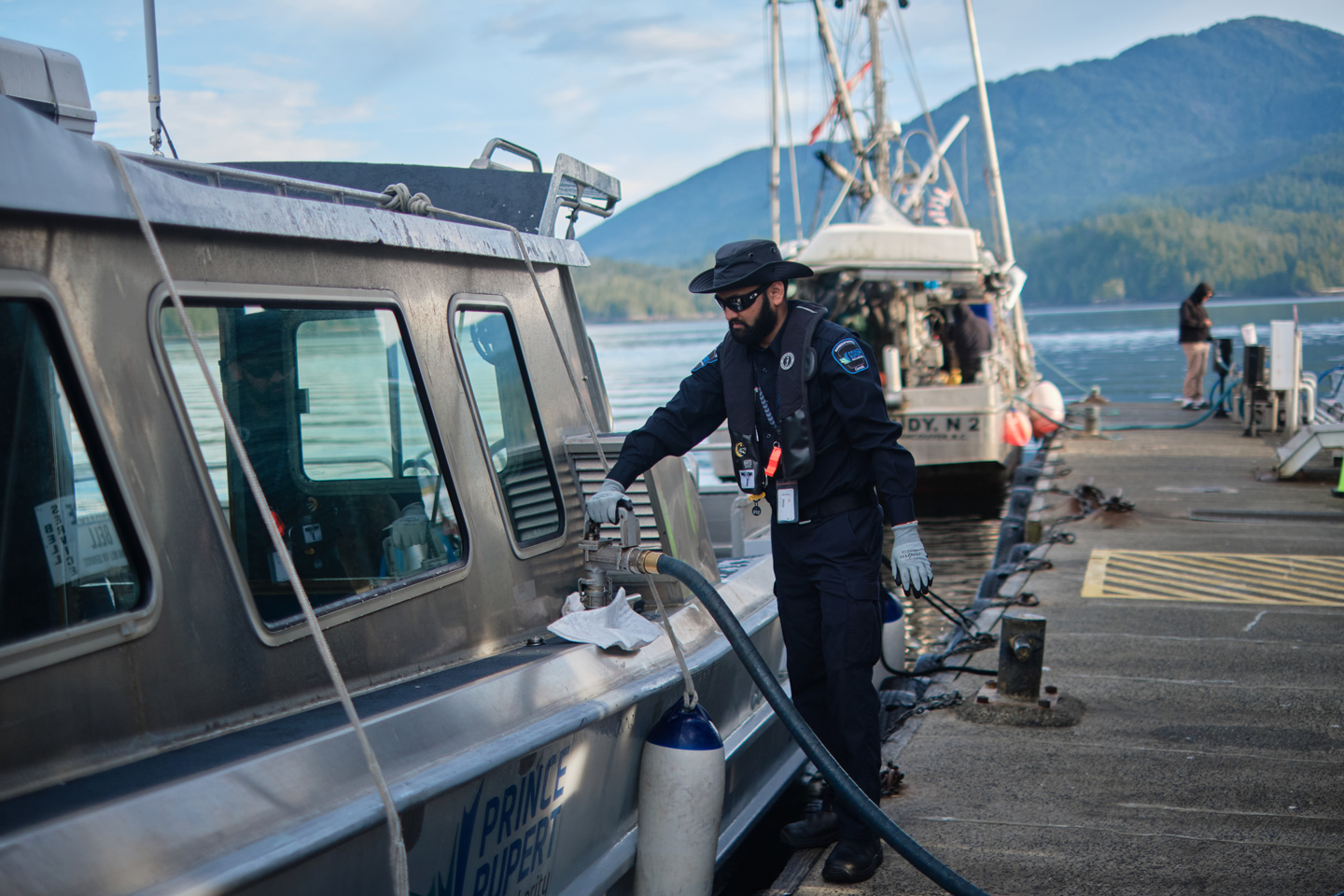
The port has replaced more than two million litres of conventional diesel with Petro-Canada EcoDiesel™.
Collaborating with supplier Suncor, owner of Petro-Canada™, and distributor Jepson Petroleum, PRPA secured a consistent supply of Petro-Canada EcoDiesel for use port wide. Terminal operators and service providers, operating on both land and water, collectively displaced nearly 24 percent of the 8.42 million litres of conventional diesel consumed in port operations annually.
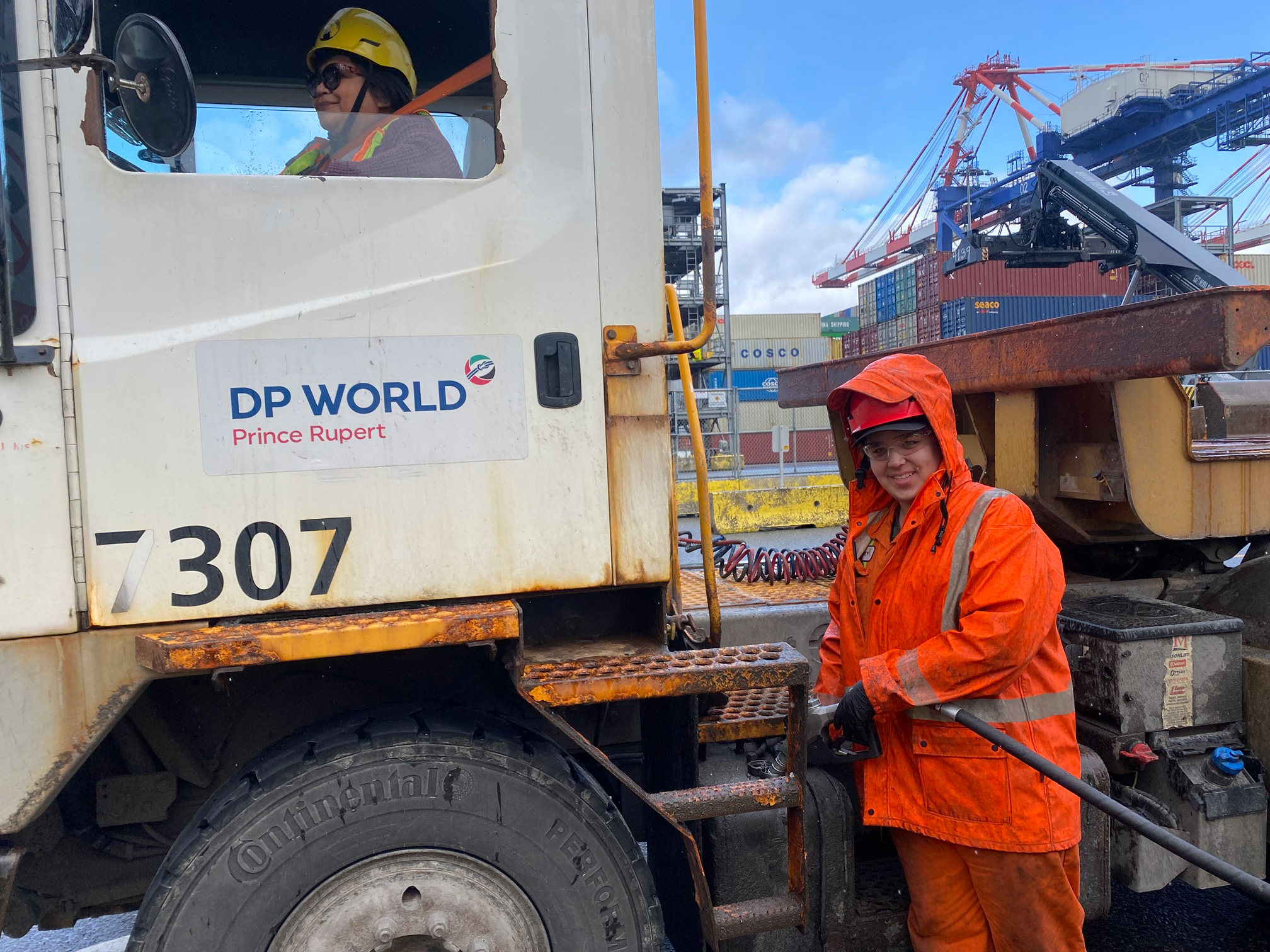
DP World is proud to be playing a leading role in converting to lower-emissions fuels.
In addition to PRPA, organizations contributing to the milestone at the Port of Prince Rupert included:
- AltaGas
- DP World
- Drax
- Gat Leedm Logistics
- IntermodeX
- Jepson Petroleum
- Pacific Pilotage Authority
- Pembina
- Prince Rupert Grain
- Ray-Mont Logistics
- SAAM Towage
- Tidal Transport and Trading
- Trigon Pacific Terminals
“The outstanding collaboration and widespread adoption of renewable diesel across a diverse range of port users and terminals drastically accelerates the Port of Prince Rupert’s progress toward meeting our target of reducing carbon intensity in the local airshed by 30 per cent by 2030 and becoming carbon neutral by 2050,” said Shaun Stevenson, President & CEO, Prince Rupert Port Authority.”
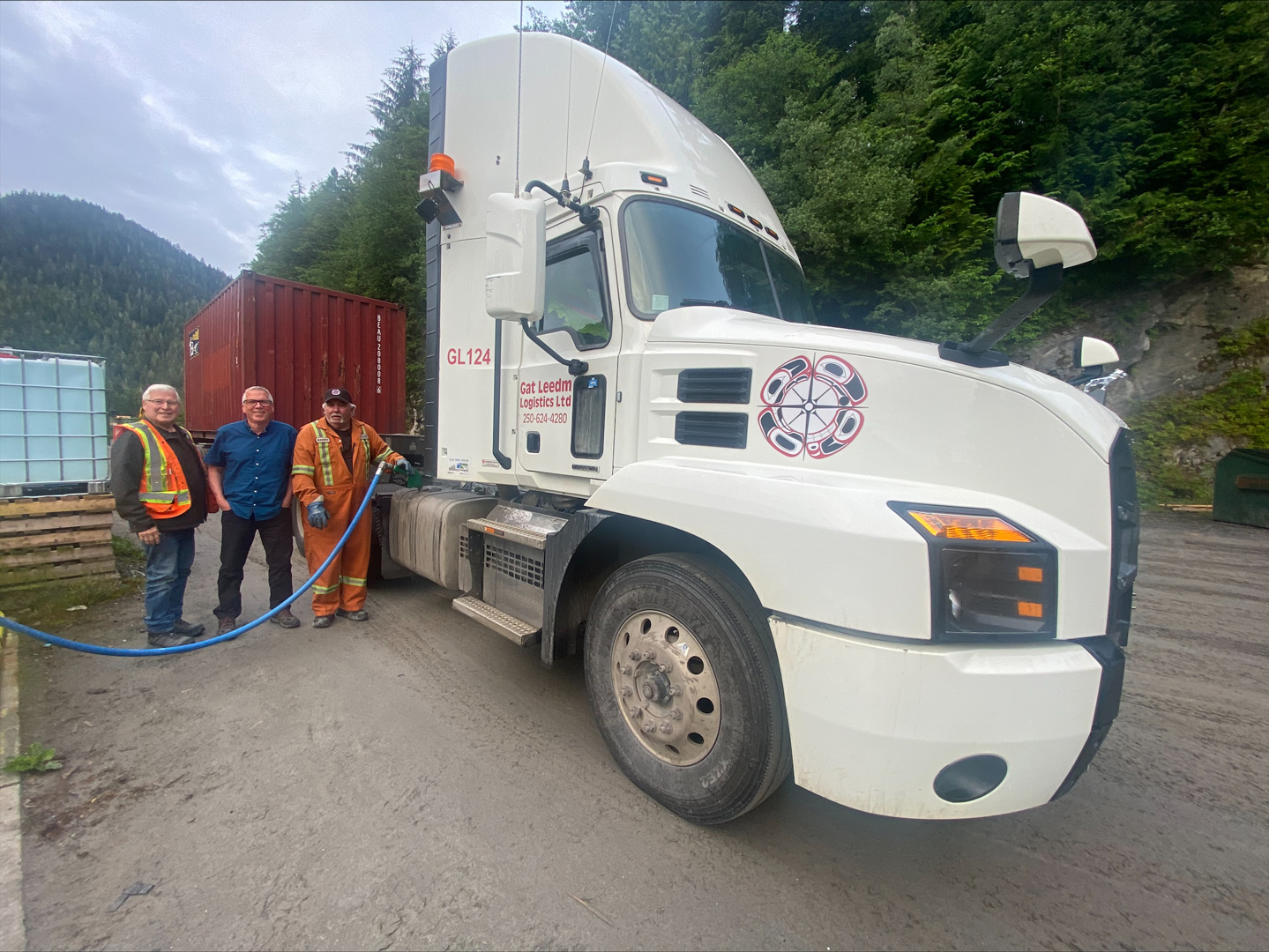
Participating Gateway partners opted to use the drop-in fuel made from renewable feedstocks.
“As the largest consumer of Petro-Canada EcoDiesel at the Port of Prince Rupert, DP World is proud to be playing a leading role in converting to lower-emissions fuels to power our operations and mitigate the impact of terminal activity on the environment,” said Doug Smith, CEO, DP World Canada.
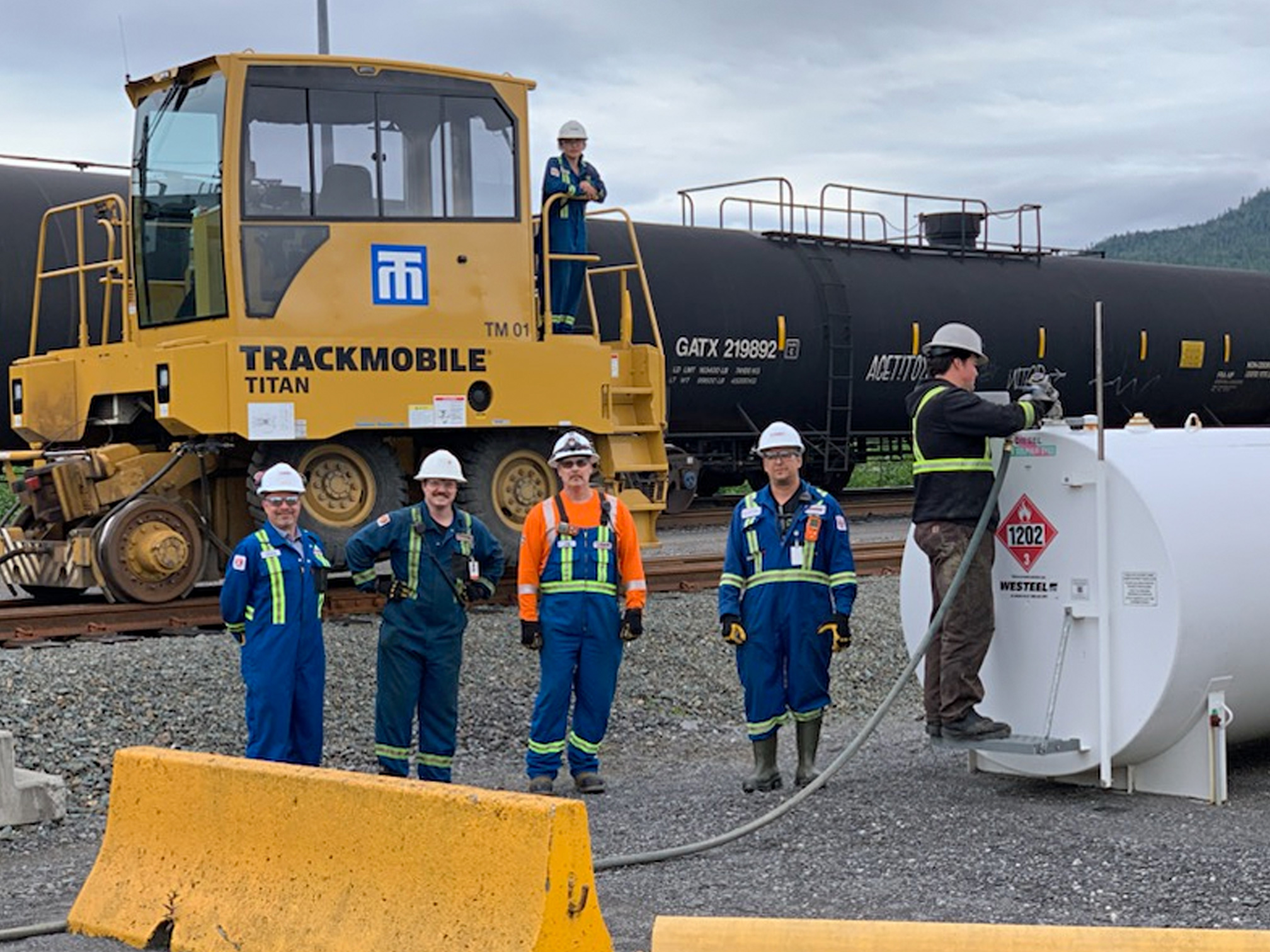
Terminal operators and service providers, operating on both land and water, collectively displaced nearly 24 percent of the 8.42 million litres of conventional diesel consumed in port operations annually.
“Having this dependable source of renewable diesel supports the sustainability of our 24/7 operations, enabling pilot vessels to significantly reduce GHG emissions on each trip,” said John Wilson, CEO, Pacific Pilotage Authority.
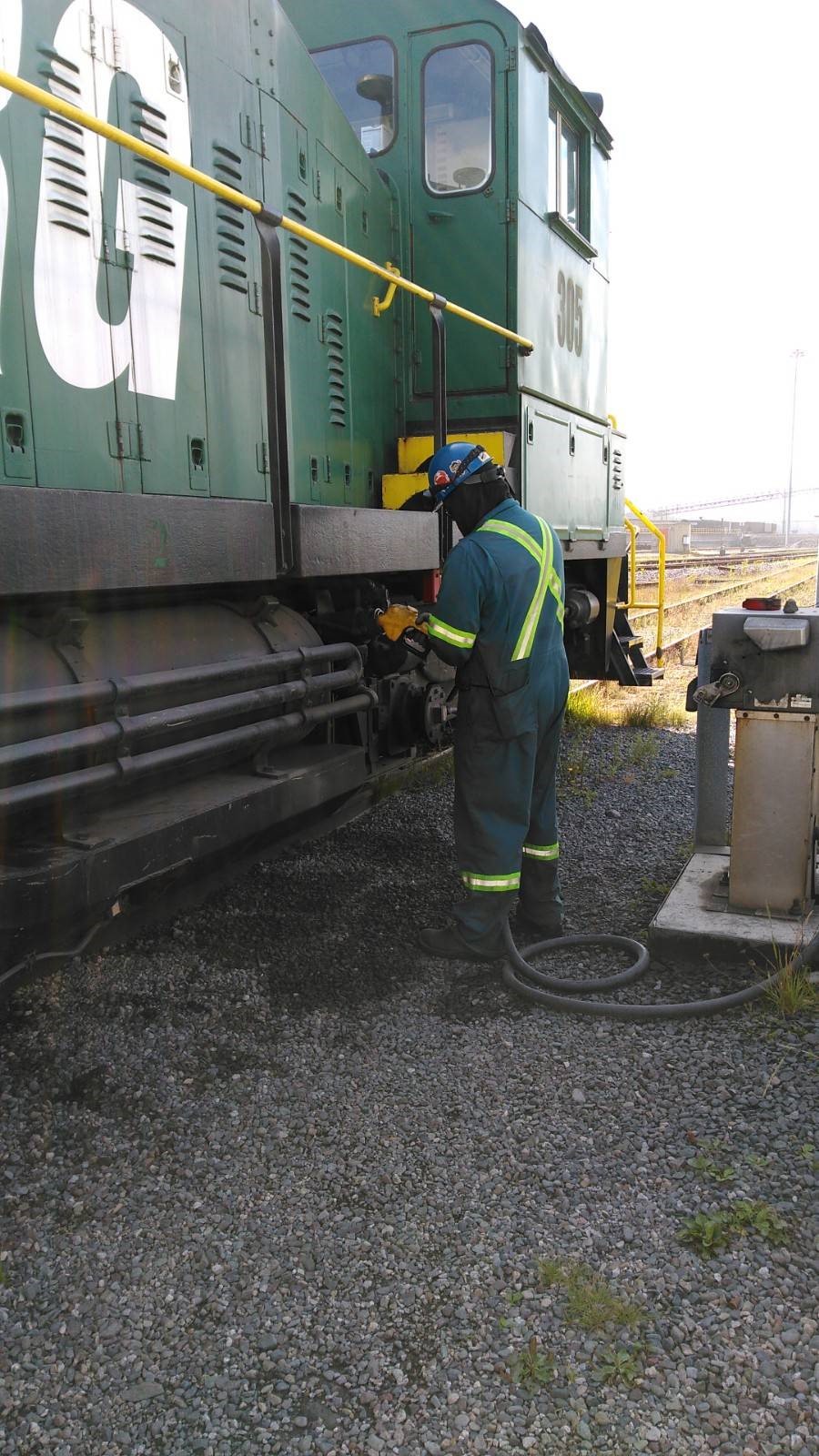
The Prince Rupert Port Authority (PRPA) and 13 Prince Rupert Gateway partners teamed up in 2025 to reduce greenhouse gas (GHG) emissions.
“At Trigon Pacific Terminals, reducing emissions from our operations remains a top priority. Our transition to renewable diesel is a critical step in that journey, replacing more than 100,000 litres of conventional diesel. This progress reflects our commitment to continuous improvement and the positive impact we’re making on our local community, port, and broader region,” said Craig Olley, President, Trigon Pacific Terminals.
Petro-Canada EcoDiesel produces roughly 67 percent less greenhouse gas over its lifecycle than conventional diesel.


About Post Author