Lineage Cold Chain Insights Survey
Lineage Inc., a global temperature-controlled warehouse real estate investment trust (REIT), has released its Cold Chain Insights Survey, which finds food and beverage companies are navigating an increasingly complex operating environment characterized by geopolitical disruption and shifting market dynamics.
In response, those companies are prioritizing resilience, making greater investments in data and automation, and seeking deeper collaboration with logistics partners to enable more agile execution. These findings are based on a survey of 1,000 decision-makers across the United States, Canada and Mexico that examines how food and beverage supply chain leaders plan to navigate 2026.
“Supply chain leaders are operating in an environment where volatility is the norm, not the exception,” said Greg Lehmkuhl, President and CEO of Lineage.
“As companies navigate 2026, the focus is on making faster, better-informed decisions, using flexibility, insight, and technology to keep operations running reliably.”
Lineage is a global temperature-controlled warehouse real estate investment trust (REIT).
The Insights Survey points to several major forces influencing supply chain priorities this year.
- Volatility is meaningfully reshaping supply chain decisions. Tariffs, regulation, and political shifts rank as the top influence shaping supply chain decisions today, with 73% expecting tariffs to continue negatively affecting finances in 2026. More than half say tariff impacts on 2025 costs were higher than expected, prompting organizations to adjust strategic plans. Meanwhile, demand remains strong, with 72% reporting rising demand for refrigerated and frozen foods, underscoring the cold chain’s growing strategic importance.
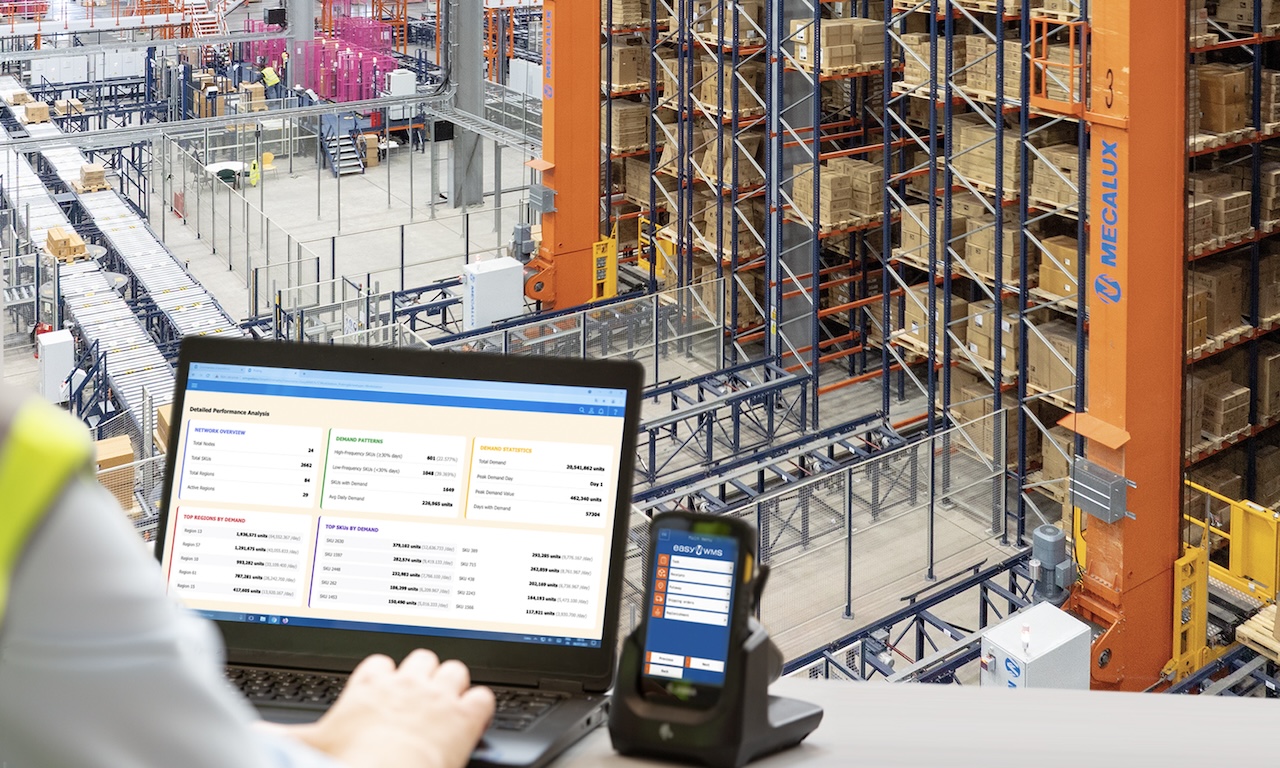
- AI and technology have become resilience imperatives. The Insights Survey shows technology adoption is closely tied to resilience efforts, with 60% of respondents ranking data and AI among the top forces transforming operations in 2026. Companies are prioritizing transportation optimization, real-time visibility, AI-informed decision-making, and warehouse automation. Respondents cite AI’s strongest impacts are improving coordination and boosting efficiency, and early results are promising, with 24% exceeding ROI expectations and most others (62%) meeting or nearing targets.
- Food and beverage companies are looking for 3PL partners who can enable greater resiliency for their supply chains. As complexity persists, leaders are increasingly looking to third-party logistics providers for support. Improving supply-chain resilience remains a top decision factor, with flexible storage capacity and better partner-provided data and analytics cited as critical needs. Organizations are strengthening their own operations through enhanced visibility and tracking, expanding supplier networks into new domestic markets, and improving risk-management strategies.


About Post Author